
Strabismus is a condition where the eyes are not properly aligned and may point in different directions (inward, outward, upward, or downward).
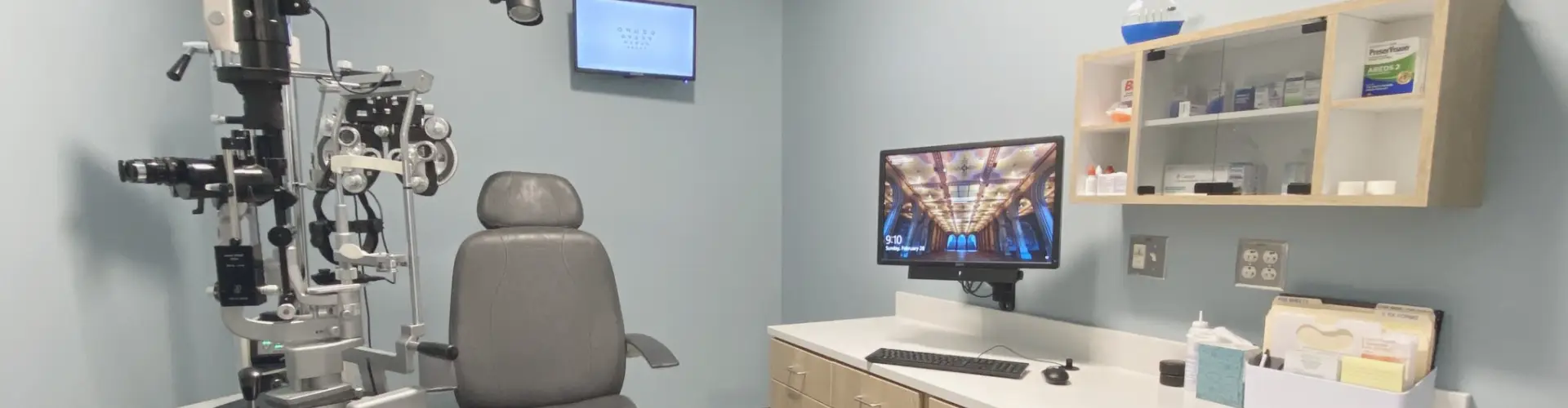
Pediatric Ophthalmology
What is Pediatric Ophthalmology?
Pediatric ophthalmology focuses on the diagnosis and treatment of eye conditions in children. Good vision is essential for a child’s overall growth, learning, and development.
With increasing screen time and changing lifestyles, eye problems in children are on the rise. Many vision issues can go unnoticed, as children may not be able to express their difficulty clearly. If left untreated, these conditions can impact learning, school performance, and even long-term visual development. Early detection and timely treatment play a crucial role in ensuring healthy vision.
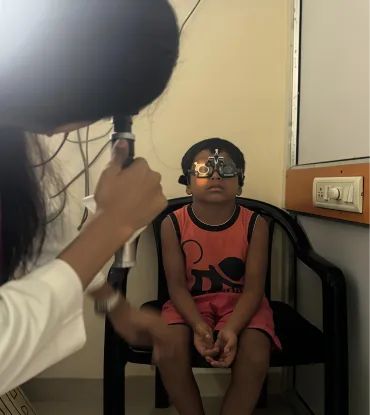
Common Eye Conditions in Children
1
Refractive Errors (Glasses Number)
Difficulty in seeing clearly due to near-sightedness, far-sightedness, or astigmatism.
2
Squint (Strabismus)
Misalignment of the eyes where they do not look in the same direction
3
Lazy Eye (Amblyopia)
Reduced vision in one eye due to improper visual development
4
Congenital Cataract
Clouding of the lens present at birth or early childhood
5
Blocked Tear Duct
Watering or discharge from the eyes due to blocked drainage
6
Eye Infections
Redness, discharge, and irritation commonly seen in children
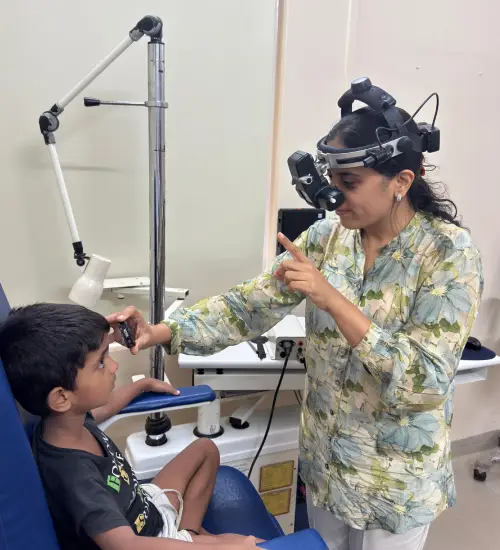
Why Choose Lotus Eye Hospital for Pediatric Eye Care?
50+ Years of Trusted Experience
NABH Accredited Hospital
Strict safety and child-friendly care protocols
Experienced Pediatric Eye Specialists
Trained in managing children’s eye conditions
Child-Friendly Environment
Ensuring comfort and ease during examination
Advanced Diagnostic Technology
Accurate and early detection
Personalised Treatment Approach
Tailored to each child’s needs
Comprehensive Care
From diagnosis to treatment and follow-up
End-to-End Support
For parents and children throughout the treatment journey
Consult our Pediatric Ophthalmology Specialists

Dr. Priyanka Bapat
Pediatric Ophthalmology and Strabismus
Experience: 12+ Years
OP Days: Tue, Wed, Fri, Sat
Timings: 10am to 1pm

Dr. Ashini Maniar
Paediatric Ophthalmology, Squint and Neuro Ophthalmology
Experience: 14+ Years
OP Days: Wed, Thur, Sat
Timings: 1pm to 4pm

Dr. Neepa Thacker Dave
Pediatric Ophthalmology and Strabismus
Experience: 20+ Years
OP Days: Mon, Thur
Timings: 9am to 1pm
FAQS
Pediatric Ophthalmology FAQs
Simple answers to the most common questions parents ask about children's eye care.
Surgery is recommended when:
- Glasses or patching do not correct alignment
- Eye misalignment persists
- There is risk of vision loss (lazy eye/amblyopia)
- For cosmetic and functional improvement
No, the surgery is done under general anesthesia, so the child will not feel pain during the procedure. The procedure usually takes 30 minutes to 1 hour, depending on the number of muscles involved.
Yes, it is generally safe and commonly performed, especially in children.
Amblyopia is reduced vision in one eye due to improper visual development. It is often associated with strabismus. No, surgery aligns the eyes, but amblyopia is treated with patching, glasses, or other therapies.
Yes, in some cases, misalignment may recur over time and may require further treatment.
Yes, if your child has refractive errors, glasses may still be required.
It can be done at any age, but early treatment is often recommended for better visual development.