
Oculoplastics is a subspecialty of ophthalmology that focuses on plastic and reconstructive surgery of the eyelids, tear ducts, eye socket (orbit), and surrounding facial structures.Ocular oncology deals with the diagnosis and treatment of tumors (cancers and non-cancerous growths) in and around the eye.
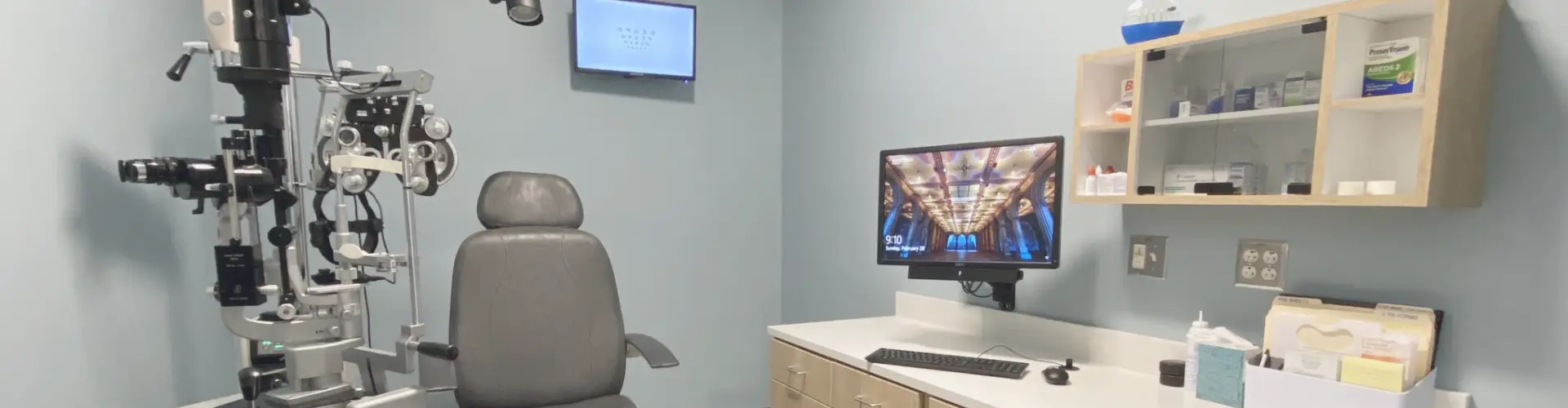
Orbit and Oculoplasty
What is Orbit and Oculoplasty?
Our specialists are trained in managing conditions related to the eyelids, tear ducts, eye socket (orbit), and surrounding facial structures, combining both functional and aesthetic expertise for optimal outcomes. Orbit and Oculoplasty care includes the diagnosis and treatment of conditions such as droopy eyelids, blocked tear ducts, thyroid eye disease, orbital tumors, and facial or eye injuries.
With advanced surgical techniques and personalized care, our team focuses on restoring both eye function and appearance. From reconstructive procedures to cosmetic eyelid treatments, we provide safe and effective solutions to improve comfort, vision, and confidence.
Common Oculoplasty & Orbital Conditions
1
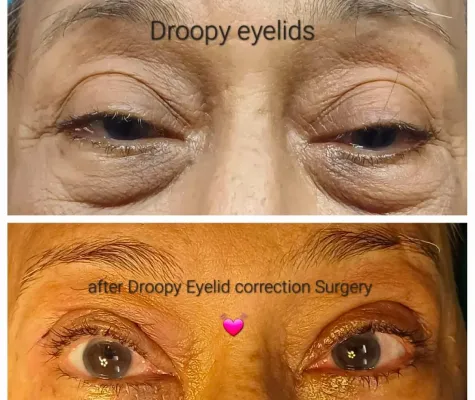
Ptosis (Drooping Eyelid)
Drooping of the upper eyelid that can affect vision and appearance
2
Entropion & Ectropion
Inward or outward turning of the eyelid causing irritation, watering, and discomfort
3
Watery Eyes (Lacrimal Disorders)
Blocked tear ducts leading to excessive tearing and recurrent infections
4
Eyelid Swellings & Tumors
Benign or malignant growths requiring evaluation and treatment
5
Thyroid Eye Disease
Eye bulging and discomfort associated with thyroid disorders
6
Orbital Infections & Inflammation
Conditions affecting the eye socket that may cause pain, swelling, and vision issues
7
Trauma & Fractures
Injuries to the eyelids or orbit requiring reconstructive care
Signs You Should Consult a Doctor
1
Persistent watering or discharge from the eyes
2
Drooping eyelids affecting vision
3
Swelling, pain, or redness around the eyes
4
Noticeable lump or growth on the eyelid
5
Sudden change in eye appearance (bulging or asymmetry)
6
Injury around the eye or face
Oculoplasty & Orbital Expertise
Our team offers advanced surgical and non-surgical treatments tailored to each patient’s condition:
1
Ptosis Correction Surgery
Ptosis Correction Surgery to restore normal eyelid position and vision
2
DCR (Dacryocystorhinostomy)
DCR (Dacryocystorhinostomy) for blocked tear ducts to relieve watering
3
Eyelid Reconstruction Surgeries
Eyelid Reconstruction Surgeries for trauma, tumors, and deformities
4
Removal of Eyelid Tumors
Removal of Eyelid Tumors with appropriate reconstruction
5
Orbital Surgery
Orbital Surgery for tumors, infections, and structural abnormalities
6
Management of Thyroid Eye Disease
Management of Thyroid Eye Disease including medical and surgical care
7
Cosmetic Eyelid Procedures (Blepharoplasty)
Cosmetic Eyelid Procedures (Blepharoplasty) for functional and aesthetic improvement
Why Choose Us
50+ Years of Trusted Experience
NABH Accredited Hospital
Strict safety & infection control protocols
Experienced Specialist
Both functional and cosmetic procedures
Advanced Diagnostic Support
Accurate evaluation of eyelid and orbital conditions
Personalised Treatment Plans
Based on individual needs and expectations
Comprehensive Care
Diagnosis to surgery and recovery
End-to-End Support
Ensuring comfort, safety, and optimal outcomes
Consult our Orbit and Oculoplasty Specialists

Dr. Prerana Tahiliani
Orbit, Oculoplasty and Ocular Oncology
Experience: 11+ Years
OP Days: Thurs
Timings: 9:30am to 3:30pm
FAQS
Orbit and Oculoplasty FAQs
Simple answers to the most common questions patients ask before retina treatment.
It may be required in conditions like:
- Droopy eyelids (ptosis)
- Eyelid malposition (entropion/ectropion)
- Blocked tear ducts
- Eye socket (orbital) disorders
- Eyelid tumors or cysts
- Eyelid tumors
- Conjunctival tumors
- Intraocular tumors (e.g., retinoblastoma, melanoma)
- Orbital tumors
Surgery may be needed when:
- There is a tumor or suspicious growth
- Functional problems (vision obstruction, tearing) occur
- Cosmetic or reconstructive correction is required
- Medical treatments are not sufficient
No, procedures are usually done under local or general anesthesia, so pain during surgery is minimal. Depending on the procedure, surgery may take 30 minutes to a few hours.
Yes, these surgeries are generally safe when performed by trained specialists, though risks exist like any surgery.
A biopsy is a procedure where a small tissue sample is removed and examined to diagnose a tumor.
It depends on the tumor’s location and size. Doctors aim to preserve vision as much as possible.
Surgeons usually place incisions carefully to minimize visible scarring.
Many tumors can be successfully treated, especially when detected early. Outcomes depend on the type and stage.