
Cornea surgery involves procedures to repair, reshape, or replace the cornea when it becomes damaged or diseased.
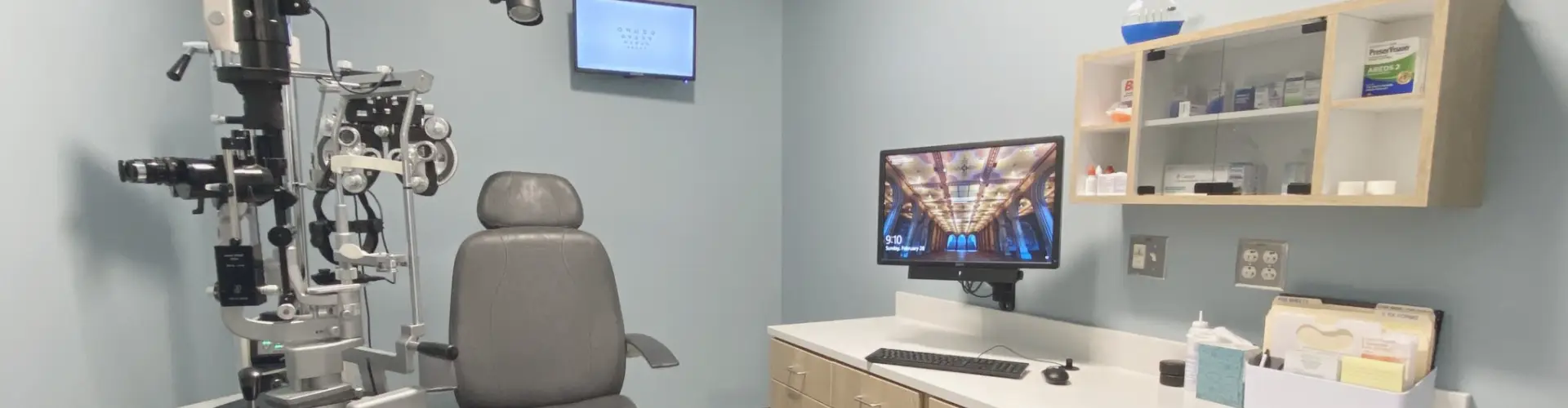
Cornea
What is Cornea?
The cornea is the clear, front surface of your eye, similar to a transparent window. It allows light to enter the eye and helps focus it properly, so you can see clearly. It also acts as a protective layer, shielding the eye from dust, germs, and injury.
1
Corneal Infection (Keratitis)
An infection of the cornea causing redness, pain, watering, and blurred vision
2
Corneal Ulcer
An open sore on the cornea, usually due to infection, which can affect vision if not treated early
3
Keratoconus
A condition where the cornea becomes thin and bulges outward, leading to distorted vision
4
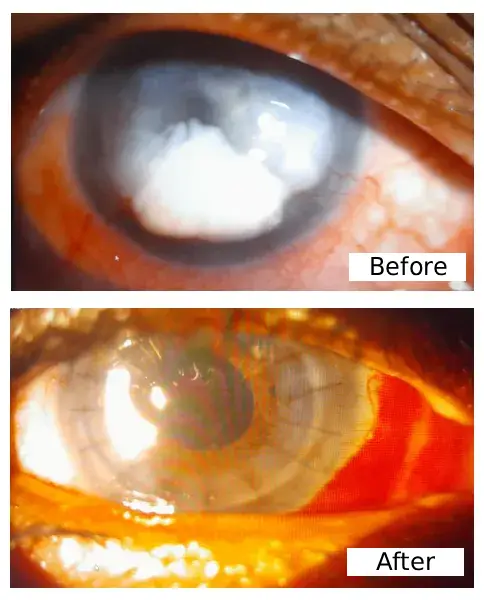
Corneal Scarring
Scars on the cornea caused by injury or infection, which can reduce clarity of vision
5
Dry Eye Disease
When the eyes do not produce enough tears, causing irritation, burning, and discomfort
6
Corneal Dystrophies
Inherited conditions that gradually affect the clarity of the cornea over time
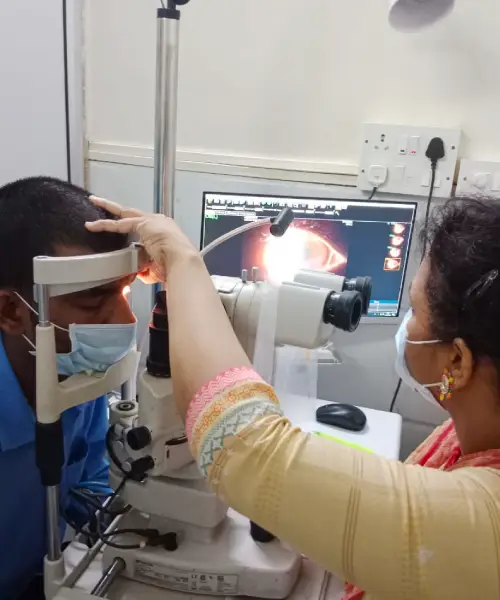
Signs you should consult a doctor:
Corneal conditions can affect vision and eye comfort. Early treatment is vital to prevent complications. Consult our specialists if you notice:
1
Persistent eye pain or discomfort
2
Redness that does not improve
3
Blurred or distorted vision
4
Feeling of something stuck in the eye
5
White or cloudy spot on the eye
Surgical Expertise
Experienced surgeons offering a full spectrum of advanced corneal treatments like
1
Full Cornea Transplant (PK)
Full Cornea Transplant (Penetrating Keratoplasty – PK) – Replacement of the entire damaged cornea to restore vision
2
Partial Cornea Transplants (DALK & DSEK)
Partial Cornea Transplants (DALK & DSEK) – Replacement of only the affected layers of the cornea, allowing faster healing and recovery
3
Artificial Cornea (Keratoprosthesis)
Artificial Cornea (Keratoprosthesis) – Used in complex cases where a standard corneal transplant may not be suitable
4
Therapeutic & Structural Grafts
Therapeutic & Structural Grafts – Performed in cases of severe infection or injury to preserve the eye and restore its structure
5
Amniotic Membrane Grafting
Amniotic Membrane Grafting – A special biological layer used to heal the eye surface in chemical or thermal injuries
6
Ocular Surface Reconstruction
Ocular Surface Reconstruction – Advanced procedures to restore the surface of the eye in severe damage cases
7
Collagen Cross-Linking (C3R)
Collagen Cross-Linking (C3R) – A procedure to strengthen the cornea and stop progression of keratoconus
8
Pterygium Surgery
Pterygium Surgery – Removal of abnormal growth on the eye surface using modern, stitch-free techniques for faster recovery
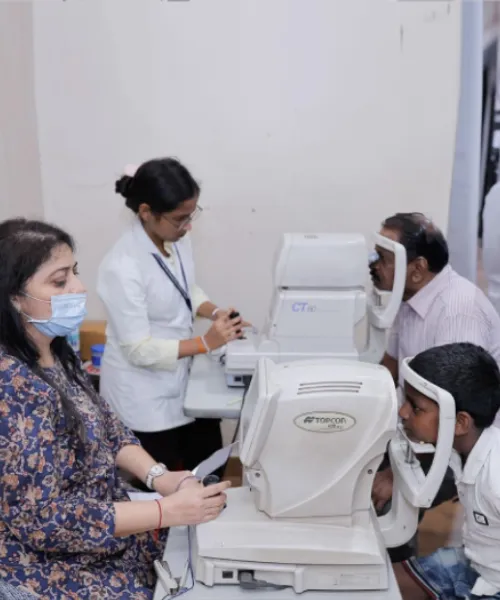
Cornea Treatment at Lotus Eye Hospital
50+ Years of Experience
Decades of excellence in corneal care
NABH Accredited
Strict safety & infection control protocols
Advanced Diagnostics
Pentacam, Specular Microscope, & Anterior Segment OCT
End-to-End Support
Personalized care from consultation to recovery
Consult our Cornea Specialists

Dr. Prathamesh Mehta
Cornea, Ophthalmic Surgeon
Experience: 16+ Years
OP Days: Thur, Sat
Timings: 9am to 1pm

Dr. Radhika Karkera
Cornea, Cataract & Refractive
Experience: 15+ Years
OP Days: Mon, Tue, Wed, Thur, Sat
Timings: 9am to 3pm; Thur: 1pm to 3pm
FAQS
Cornea FAQs
Simple answers to the most common questions patients ask before cataract treatment.
No, the surgery is usually painless as local or general anesthesia is used. Most procedures take 30 minutes to 2 hours, depending on the type of surgery.
It may be needed in conditions such as:
- Corneal infections or ulcers
- Scarring
- Keratoconus
- Corneal dystrophies
- Injury or trauma
It is a procedure where the damaged cornea is replaced with a healthy donor cornea.
It is when the body’s immune system attacks the transplanted cornea. Early treatment can often control it.
Vision improvement depends on the condition and type of surgery. Some patients may still need glasses or contact lenses.
Vision improvement depends on the condition and type of surgery. Some patients may still need glasses or contact lenses.