Retina surgery includes procedures used to treat problems affecting the Retina, such as tears, detachment, or other diseases.
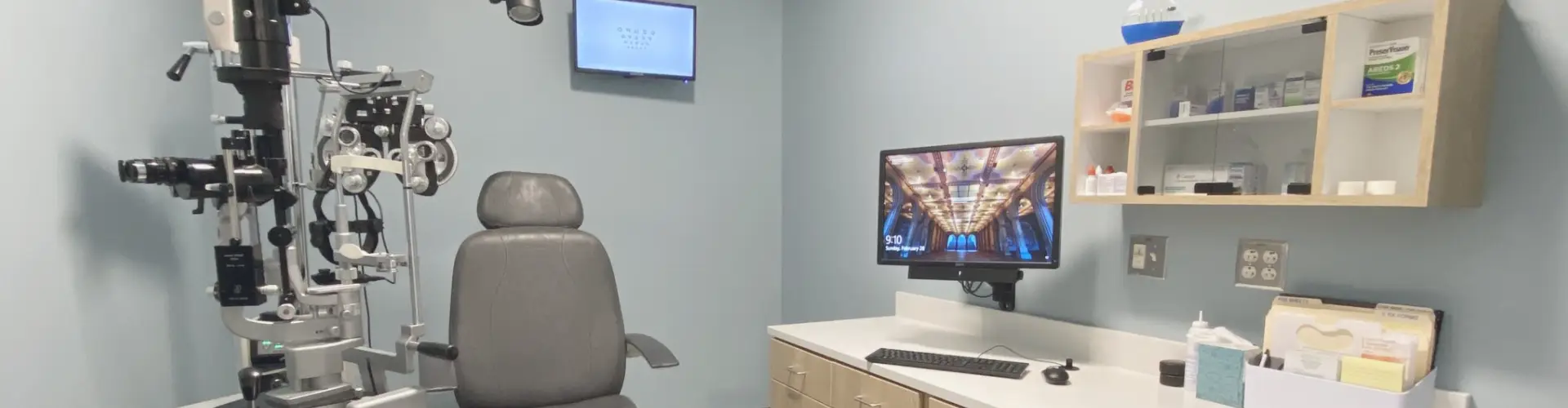
Vitreo Retinal Services
What is Retina?
The Retina is a light-sensitive layer at the back of the eye that
plays a crucial role in vision by capturing images and sending them to the brain.
Any problem in the Retina can significantly affect vision, and in some cases, may
lead to permanent vision loss if not treated in time.
With increasing cases of diabetes, ageing, and lifestyle changes, Retinal diseases
are becoming more common. Early detection and timely treatment are essential to
preserve vision.
Retinal diseases often develop without noticeable symptoms in the early stages,
making regular eye check-ups essential. Warning signs such as blurred vision,
floaters, flashes of light, or sudden vision loss should not be ignored. Early
diagnosis and advanced treatment options can help manage Retinal conditions
effectively and protect vision.
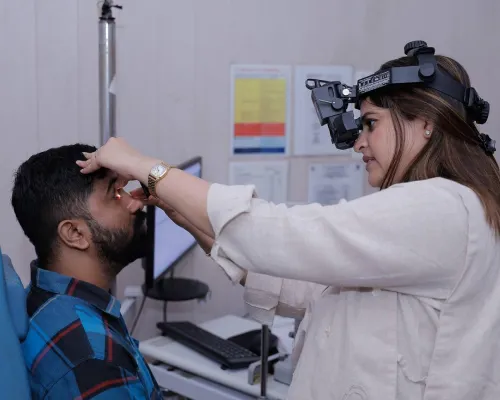
Signs you should consult a doctor:
Retinal conditions can progress quickly and may lead to permanent vision loss if not treated in time. Consult an eye specialist if you notice:
1
Sudden or gradual loss
of vision
2
Distorted or wavy
vision
3
Sudden increase in
floaters (black spots)
4
Flashes of
light
5
Dark curtain or shadow
over vision
6
Difficulty in reading
or recognizing faces
7
If you have diabetes
or high blood sugar, even without symptoms (regular eye check-ups are
essential)

Common Retinal Conditions
1
Age-Related Macular Degeneration
(ARMD)
A condition affecting central vision, commonly seen in older individuals
2
Diabetic Retinopathy (DR)
Damage to the Retina caused by diabetes, which can lead to vision loss
if untreated
3
Retinal Detachment (RD)
A serious condition where the Retina separates from the back of the eye,
requiring urgent treatment
4
Macular Hole
A small gap in the central Retina causing blurred or distorted central
vision
5
Retinal Vein Occlusion (RVO)
Blockage of blood flow in Retinal veins leading to sudden vision changes
6
Retinopathy of Prematurity (ROP)
A condition seen in premature babies affecting normal Retinal
development
7
Retinal Dystrophies & Degenerations
A group of inherited conditions causing gradual vision loss over time
8
Myopic Degeneration
Progressive damage to the Retina in patients with high minus power (high
myopia)

Surgical Expertise:
Our Retina specialists are experienced in performing advanced surgical procedures for a wide range of Retinal conditions, using modern techniques and technology to ensure safe and effective outcomes.
1
Vitrectomy Surgery
Advanced micro-incision techniques and state-of-the-art machinery for
faster healing and greater precision
2
Retinal Detachment Repair
Advanced surgical methods to restore and preserve vision
3
Macular Hole Surgery
To improve central vision
4
Diabetic Eye Surgery
For advanced diabetic retinopathy complications
5
Management of Retinal Vein
Occlusions
Appropriate surgical and medical interventions
6
ROP Management
Including specialised care for premature infants
7
Laser Procedures
For various Retinal conditions to prevent disease progression

Retina Care at Lotus Eye Hospital
50+ Years of Trusted Experience
NABH Accredited Hospital
Strict safety & infection control protocols
Experienced Retina Specialists
Managing simple to complex Retinal conditions
Advanced Diagnostic Technology
Detailed Retinal imaging and early detection, including
Colour Fundus Photography (CFP), Optical Coherence Tomography (OCT), Fundus
Fluorescein Angiography (FFA), and B-scan
Consult our Vitreo Retinal Specialists

Dr. Sarita Shetty
Vitreo-Retina
Experience: 25+ Years
OP Days: Mon
Timings: Mon: 10am to 2pm

Dr Mitali Khodani
Vitreo-Retina, Uvea and ROP
Experience: 11+ Years
OP Days: Tue, Fri
Timings: Tue, Fri: 10:30am to 3:30pm

Dr Bhavin Shah
Vitreo-Retina and Uvea
Experience: 16+ Years
OP Days: Wed, Sat
Timings: Wed, Sat: 10am to 4pm
FAQS
Retina FAQs
Simple answers to the most common questions patients ask before Retina treatment.
It may be required in conditions like:
- Retinal detachment
- Retinal tears or holes
- Diabetic retinopathy
- Macular hole
- Epiretinal membrane
- Vitrectomy
- Scleral buckle surgery
- Pneumatic retinopexy
- Laser photocoagulation
Vitrectomy is a procedure where the gel (vitreous) inside the eye is removed and replaced with a gas bubble or silicone oil to repair the Retina.
No, the procedure is usually painless as it is performed under local or general anesthesia. Surgery typically takes 1–3 hours, depending on the condition and procedure.
Yes, many patients may still need glasses for best vision.