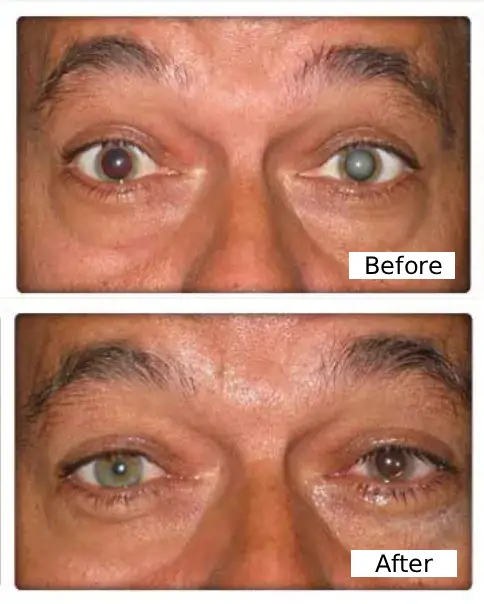
Cataract surgery removes the cloudy natural lens and replaces it with a clear artificial lens called an intraocular lens, or IOL.
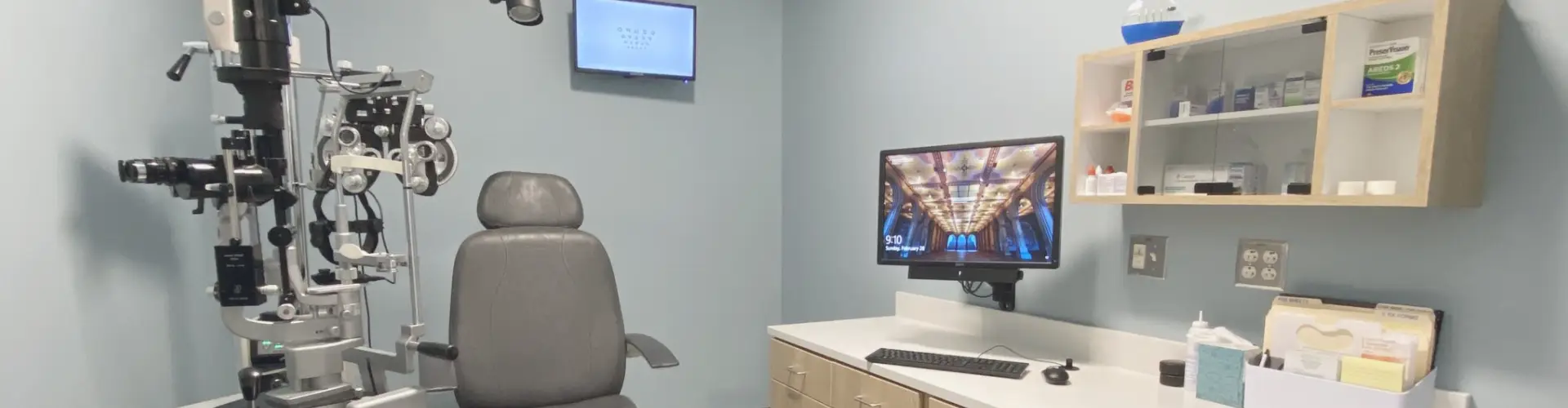
Cataract
What is Cataract?
A cataract is a condition where the natural lens of the eye becomes cloudy, leading to blurred or reduced vision. It is one of the leading causes of vision impairment and usually develops due to:
1
Ageing
2
Diabetes
3
Eye injury or
trauma
4
Prolonged use of
steroids
5
Genetic or congenital
factors
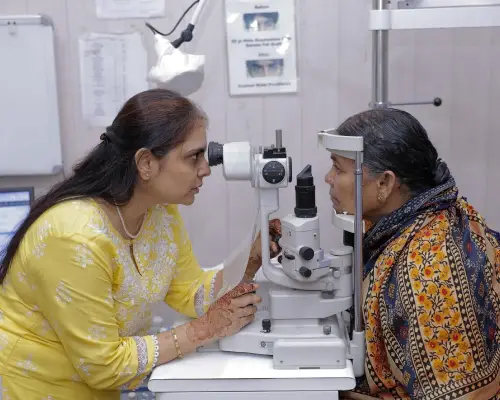
Signs you should consult a doctor:
Cataracts usually develop gradually and may not cause noticeable symptoms in the early stages. However, as the condition progresses, certain changes in vision can indicate the need for an eye examination.
1
Blurred or cloudy
vision
2
Difficulty seeing at
night
or in low light
3
Increased sensitivity
to
light or glare
4
Frequent changes in
glasses number
5
Fading or yellowing of
colours
Cataract Surgery at Lotus Eye Hospital
50+ Years of Trusted Experience
Decades of excellence in eye care
NABH Accredited Hospital
Strict safety & infection control protocols
Highly Experienced Surgeons
Skill & precision at every step
Advanced Pre-Operative Testing
ZEISS diagnostic technology
Personalised Counselling
Lens selection based on lifestyle
Minimally Invasive Surgery
Phacoemulsification (Johnson & Johnson, ALCON)
Affordable, High-Quality Care
World-class accessible treatment
End-to-End Support
From consultation to recovery
Consult our Cataract Specialists

Dr. Shilpa Deshpande
Cataract & Refractive Surgery
Experience: 25 Years
OP Days: Mon, Wed, Sat
Timings:
Mon: 9am to 3:30pm
Wed: 9am to 1:30pm
Sat: 1:30pm to 4 pm
Wed: 9am to 1:30pm
Sat: 1:30pm to 4 pm

Dr. Brijesh Shah
Cataract & Refractive Surgery
Experience: 26+ Years
OP Days: Mon, Tue, Sat
Timings:
Mon: 9am to 1:30pm
Tue: 9am to 1:30pm
Sat: 9am to 3:00pm
Tue: 9am to 1:30pm
Sat: 9am to 3:00pm

Dr. Nikita Gunavanthe
Cataract & Refractive Surgery
Experience: 19+ Years
OP Days: Mon, Wed, Fri
Timings:
Mon, Wed, Fri: 9am to 1pm

Dr. Radhika Karkera
Cataract, Cornea & Refractive
Experience: 15+ Years Overall
OP Days: Mon, Tue, Wed, Thu, Sat
Timings:
Mon, Tue, Wed: 9am to 3pm
Thur: 1pm to 3pm
Thur: 1pm to 3pm

Dr. Parul Shah
Cataract & Refractive Surgery
Experience: 35+ Years
OP Days: Mon, Thu, Fri, Sat
Timings:
Mon: 1:30pm to 3pm
Thu, Fri, Sat: 9am to 1:30pm
Thu, Fri, Sat: 9am to 1:30pm

Dr. Hetal Bhatt
Cataract & Refractive Surgery
Experience: 30+ Years
OP Days: Tue, Fri
Timings:
Tue: 9am to 1:30pm
Fri: 9am to 4pm
Fri: 9am to 4pm
FAQS
Cataract FAQs
Simple answers to the most common questions patients ask before cataract treatment.
An IOL is an artificial lens implanted inside the eye after the cataract is removed. It helps restore clearer vision.
Surgery is usually advised when cataracts begin affecting daily activities like reading, driving, or recognizing faces comfortably.
Cataract surgery is usually painless because local anesthesia is used to numb the eye. The procedure often takes 10 to 20 minutes, though the hospital visit may be longer for preparation and recovery.
It depends on the lens selected and your visual needs. Many patients still use glasses for reading or other fine tasks.
No. Cataract surgery is usually a day-care procedure, and most patients return home within a few hours.
No. Cataract surgery can be safely done in any season. The decision depends on the condition of the eye and readiness for surgery, not the weather.
No proven eye drops or medicines can cure cataracts. The effective treatment is surgery, where the cloudy lens is replaced with an artificial lens.