Glaucoma surgery includes procedures designed to lower eye pressure and prevent further damage to the optic nerve.
Glaucoma
What is Glaucoma?
Glaucoma is a group of eye disease that damages the optic nerve usually to due increased intraocular pressure. It often develops slowly and can lead to permanent vision loss if not detected and treated early making regular eye examination essential. Glaucoma can affect anyone, but certain people have a higher risk such as:
1
Age above 40
years
2
Family history of
glaucoma
3
People with diabetes
or high blood pressure
4
Long-term use of
steroid medications
5
History of eye injury
or surgery
Signs you should consult a doctor
Glaucoma often has no symptoms in early stages, making regular eye check-ups important. Consult an eye specialist if you notice:
1
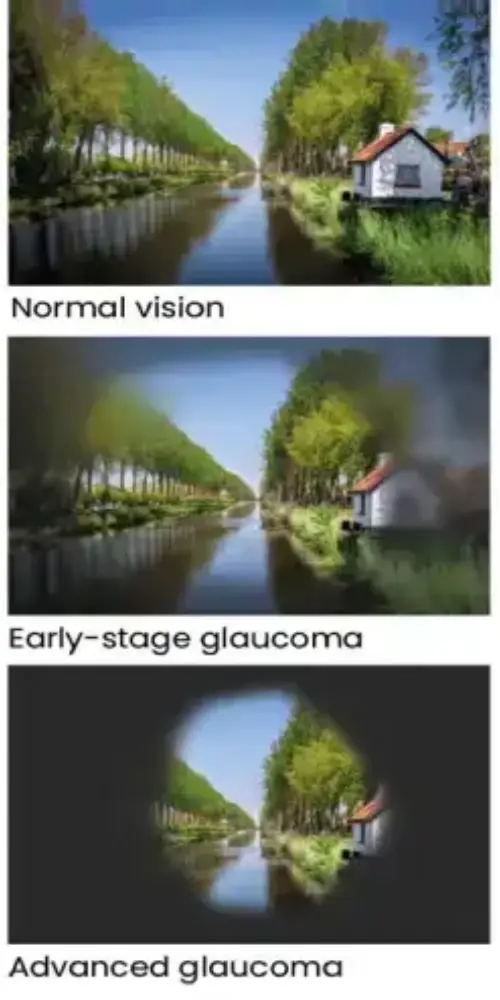
Gradual loss of side
(peripheral) vision
2
Blurred vision
3
Eye pain or
headache
4
Seeing halos around
lights
5
Sudden vision loss (in
acute cases)
6
Redness in the
eye
Glaucoma Care at Lotus Eye Hospital
50+ Years of Trusted Experience
NABH Accredited Hospital
Strict safety and infection control protocols
Experienced Glaucoma Specialists
Early detection and long-term management
Advanced Diagnostic Technology such as Visual Field
Analyzer, Anterior Segment OCT
Accurate pressure measurement and optic nerve evaluation
Comprehensive Glaucoma Care
Including medical, laser, and surgical management
End-to-End Support
Lifelong monitoring and care
Consult our Glaucoma Consultants

Dr Karishma Bhate
Glaucoma
Experience: 14+ Years
OP Days: Mon, Fri
Timings: Mon, Fri: 9am to 3pm
FAQS
Glaucoma FAQs
Simple answers to the most common questions patients ask before cataract treatment.
No, the procedure is usually not painful. Local anesthesia is used to numb the eye. The surgery typically takes 30–90 minutes, depending on the type of procedure.
Yes, it is generally safe, but like all surgeries, it carries some risks. Your doctor will evaluate your condition before recommending surgery.
Success rates are generally good in controlling eye pressure, but results vary depending on the type and severity of glaucoma.
No, glaucoma cannot be cured. Surgery helps control eye pressure and prevent further vision loss.
Glaucoma is often called the “thief of sight” because it slowly damages vision without noticeable symptoms in the early stages. Many people do not realize they have the disease until significant vision loss has already occurred, which cannot be reversed.
A common myth is that glaucoma only affects older people or always causes noticeable symptoms, but in reality it can occur at any age and often develops silently without early warning signs, which is why regular eye checkups are important.