Comprehensive Eye Care
What is Comprehensive Ophthalmology?
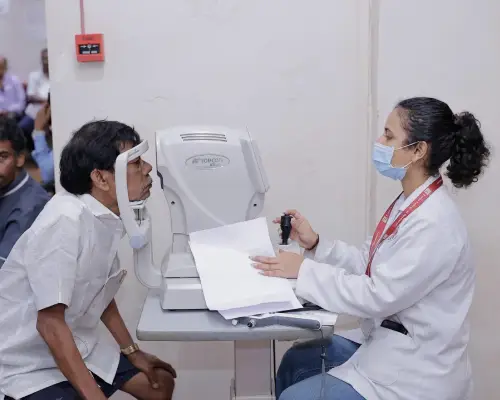
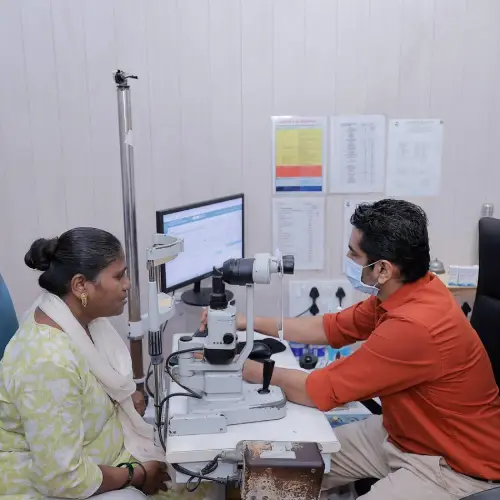
Comprehensive ophthalmology focuses on early detection, routine eye care, and prevention of eye diseases. Regular eye check-ups play a crucial role in maintaining good vision and identifying problems before they become serious.
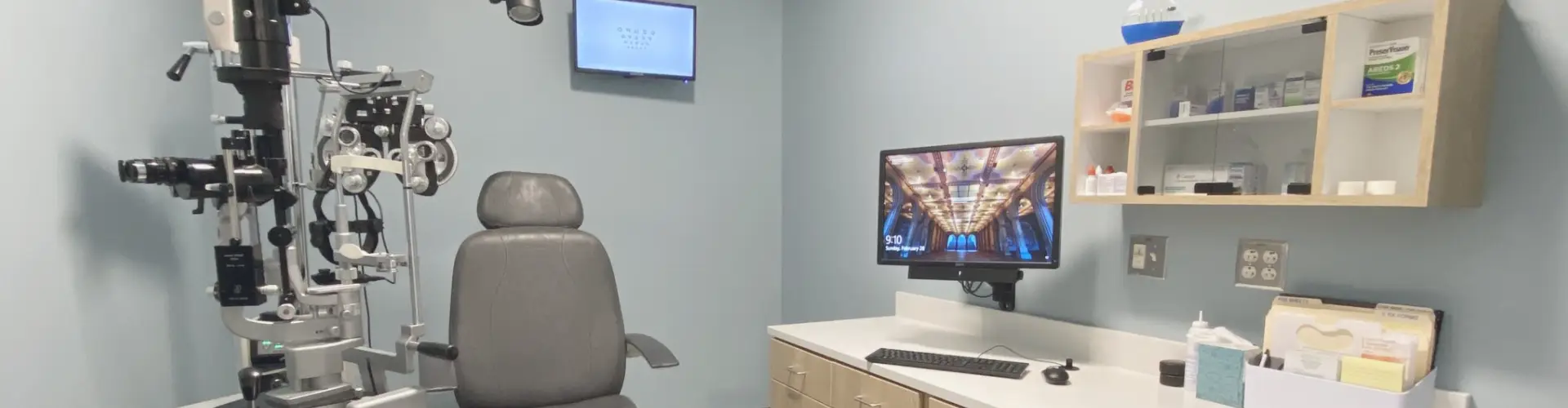
Our specialists provide complete eye evaluations for patients of all age groups, helping diagnose and manage conditions such as refractive errors, dry eyes, cataracts, glaucoma, diabetic eye disease, and age-related vision changes. With personalized treatment plans and advanced diagnostic support, we aim to protect and preserve your vision for long-term eye health.
Why Preventive Eye Care is Important
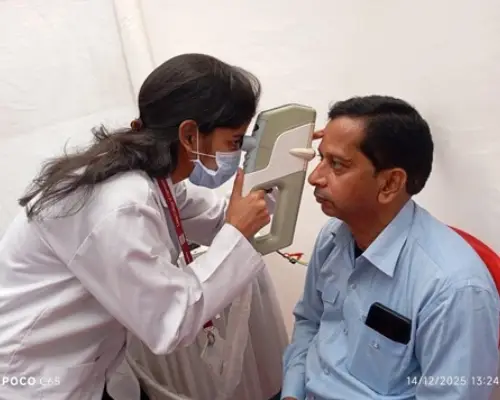
Many eye conditions like glaucoma, diabetic retinopathy, and macular degeneration develop slowly and may not show early symptoms Early diagnosis helps in timely treatment and better visual outcomes Regular screenings are especially important for people with diabetes, high blood pressure, or a family history of eye diseases Preventive care helps avoid vision loss and maintain long-term eye health
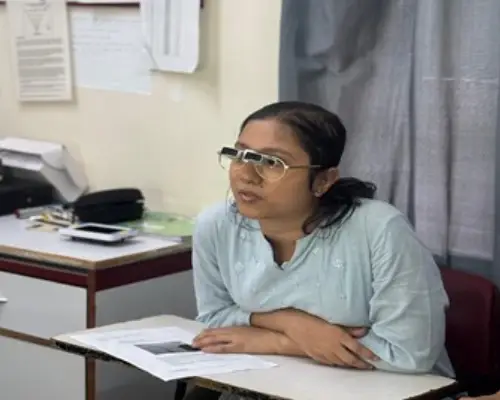
What is Covered Under Comprehensive Eye Check-Up
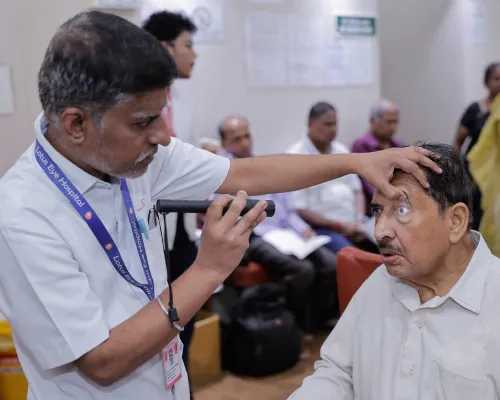
Who Should Get Regular Eye Check-Ups